

As a supplier of charcoal braziers, I often get asked about the heat output of a typical charcoal brazier. Understanding the heat output is crucial for customers who want to use these braziers for various purposes, such as cooking, heating, or even in some industrial applications. In this blog post, I'll delve into the factors that affect the heat output of a charcoal brazier and provide some insights into what you can expect from a typical unit.

Factors Affecting Heat Output
Charcoal Type
The type of charcoal used in the brazier plays a significant role in determining the heat output. There are mainly two types of charcoal: lump charcoal and briquettes. Lump charcoal is made from natural wood that has been burned in a low - oxygen environment. It burns hotter and faster than briquettes, producing a high - intensity heat. This is because it is pure wood carbon, and its irregular shape allows for better air circulation.
On the other hand, charcoal briquettes are made from compressed charcoal dust, sawdust, and other additives. They burn more evenly and steadily, providing a consistent heat output over a longer period. However, their heat output is generally lower compared to lump charcoal. For example, a high - quality lump charcoal can reach temperatures of up to 1200°F (650°C) or more, while briquettes typically peak at around 800 - 900°F (425 - 480°C).
Airflow
Airflow is another critical factor. Charcoal needs oxygen to burn, and the amount of oxygen available directly affects the combustion rate and heat output. Most charcoal braziers are designed with vents that can be adjusted to control the airflow. When the vents are fully open, more oxygen reaches the charcoal, causing it to burn more vigorously and produce more heat. Conversely, closing the vents restricts the airflow, slowing down the combustion process and reducing the heat output.
For instance, if you're using a charcoal brazier for slow - cooking, you might close the vents partially to maintain a lower, more consistent temperature. But if you're looking to sear a steak quickly, opening the vents wide will allow the charcoal to burn at its maximum capacity, generating a large amount of heat.
Brazier Design
The design of the charcoal brazier itself also impacts the heat output. A well - designed brazier will have features that promote efficient combustion and heat distribution. For example, a brazier with a large surface area for the charcoal to burn on will allow more charcoal to be in contact with the air, increasing the overall heat output.
Some braziers are also equipped with insulation materials that help to retain heat. This not only makes the brazier more energy - efficient but also ensures that more of the heat is directed where it's needed, whether it's for cooking food or heating a small space. Additionally, the shape of the brazier can affect the way heat is radiated. A round brazier may distribute heat more evenly in all directions, while a rectangular one might direct heat more towards the long sides.
Heat Output of a Typical Charcoal Brazier
A typical charcoal brazier used for home cooking, such as grilling burgers or vegetables, can have a heat output ranging from 10,000 to 30,000 British Thermal Units (BTUs) per hour. This range is suitable for small - to medium - sized cooking tasks. For example, a small portable charcoal brazier might have a heat output of around 10,000 BTUs, which is enough to cook a few burgers at a time.
On the other hand, larger, more professional - grade charcoal braziers used in commercial kitchens or for large - scale outdoor events can have heat outputs of 30,000 BTUs or more. These high - output braziers can quickly sear large cuts of meat or cook multiple dishes simultaneously.
It's important to note that these are just general estimates, and the actual heat output can vary depending on the factors mentioned above. For example, if you're using high - quality lump charcoal and have the vents fully open, you might be able to achieve a higher heat output than the typical range.
Applications Based on Heat Output
Cooking
The heat output of a charcoal brazier is directly related to its cooking capabilities. For low - heat cooking methods like slow - roasting or smoking, a lower heat output in the range of 10,000 - 15,000 BTUs is ideal. This allows the food to cook slowly and absorb the smoky flavor from the charcoal.
For high - heat cooking methods such as searing steaks or grilling vegetables quickly, a heat output of 20,000 BTUs or more is recommended. The high heat sears the outside of the food, locking in the juices and creating a delicious crust.
Heating
In some cases, charcoal braziers can also be used for heating small spaces, such as a patio or a shed. A brazier with a heat output of around 15,000 - 20,000 BTUs can provide a comfortable amount of warmth for a small outdoor area. However, it's important to use the brazier in a well - ventilated space to avoid the buildup of carbon monoxide.
Our Charcoal Brazier Offerings
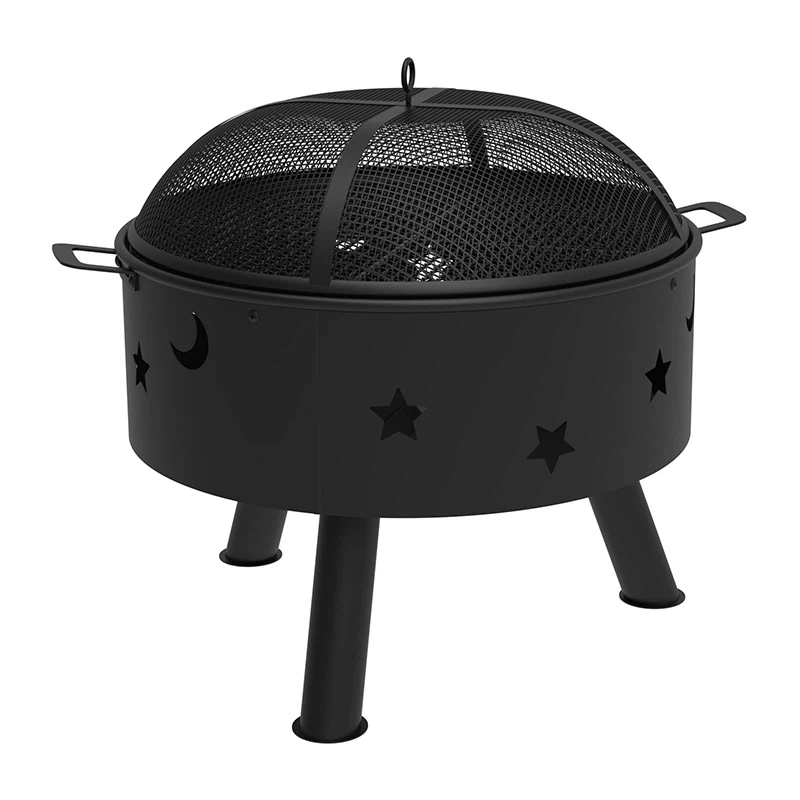
At our company, we offer a wide range of charcoal braziers to suit different needs and heat output requirements. One of our popular products is the Charcoal Brazier with Enclosure. This brazier is designed with a unique enclosure that helps to control the airflow and retain heat, providing a consistent and efficient heat output.
The enclosure also adds an extra layer of safety, preventing accidental contact with the hot charcoal. Whether you're a home cook looking for a reliable grilling solution or a professional chef in need of a high - performance brazier, our products are designed to meet your expectations.
Contact Us for Procurement
If you're interested in purchasing a charcoal brazier or have any questions about heat output and our product range, we'd love to hear from you. Our team of experts is ready to assist you in finding the perfect brazier for your needs. Whether you're looking for a small, portable unit or a large, commercial - grade brazier, we can provide you with detailed information and help you make an informed decision.
Don't hesitate to reach out to us for procurement discussions. We're committed to providing high - quality products and excellent customer service.
References
- "The Science of Charcoal Combustion" - Journal of Thermal Science and Engineering Applications
- "Charcoal Grilling: Techniques and Best Practices" - Cooking Magazine
- "Design Considerations for Efficient Charcoal Braziers" - Engineering Research Journal