

If you've ever spent a weekend camped in a national forest or a remote backcountry site, you know the difference a good campfire makes: it's not just for cooking, it's the place you gather to share stories, warm frozen hands after a morning hike, and chase away the chill of a mountain evening. But not all campfire setups are equal. For years, many campers relied on makeshift fire pits, digging a hole in the ground or using a generic metal grill that's too small, too flimsy, or doesn't handle windy conditions well. As a charcoal brazier supplier who's spent years testing gear with campers and outdoor guides across North America, I hear one question more than any other: Are there charcoal braziers actually made for camping, or are they just big, heavy indoor models repurposed for the woods? The short answer is yes-but only if you know what to look for, and not all of them fit the unique demands of outdoor camping.
Let's start with what makes a camping charcoal brazier different from one you'd use on a patio or in a commercial kitchen. When you're camping, portability is non-negotiable. You don't want to haul a 50-pound cast-iron box across a 5-mile backcountry trail, or struggle to fold a unit that won't fit in the trunk of your car. Weight, packed size, and how easy it is to set up and break down matter more than maximum grill space. You also need durability that stands up to uneven ground, damp underbrush, and being jostled in a crowded camping gear bag. A brazier that rusts after one rainy weekend or bends out of shape after a single trip over a rock isn't worth the space it takes. Then there's safety: when you're in a dry forest or a site with strict fire bans, you need a brazier that contains embers completely, with no risk of sparks blowing onto pine needles or dry leaves. That's where the design of your brazier makes all the difference, and why many generic models fall short.
Early on in my time in the outdoor gear space, I made the mistake of testing a popular "camping charcoal brazier" that was essentially a cut-down patio model. It was light, sure, but it had no walls around the sides-on our first trip to a high-altitude site with constant gusty wind, embers blew out within 10 minutes, nearly starting a small spot fire in a patch of dead grass. We had to douse it and scramble to find a designated fire ring, which ruined the whole day. That mistake taught me that camping braziers need more than just a flat surface to hold coals. They need a design that contains heat, resists wind, and is small enough to move around your campsite or transport easily.
Today, the market has a few options that get this right, but they're not all created equal. Let's break down the key features to look for in a camping charcoal brazier, and highlight one model that checks every box for most campers.
First, size and portability. For car campers, a 12 to 18-inch diameter brazier is ideal-big enough to cook for a group of 4 to 6 people, but small enough to fit in most SUVs or truck beds. For backpackers, you'll want something even smaller, around 8 to 10 inches, that packs down to the size of a water bottle and weighs less than 3 pounds. Generic patio braziers are often 24 inches or larger, which is way too bulky for any camping scenario.
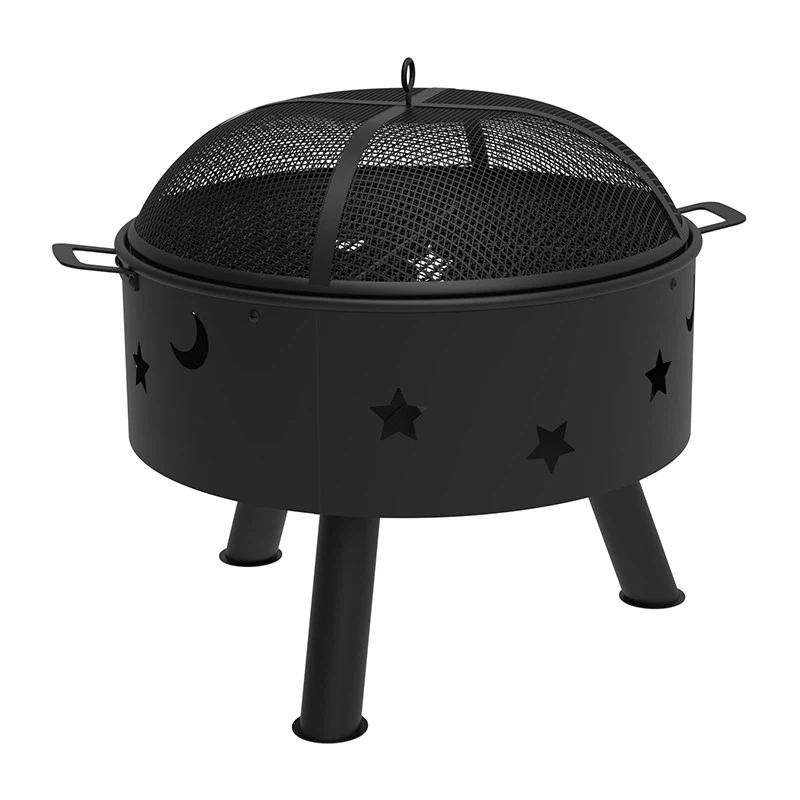
Second, containment and safety. This is the biggest factor most campers overlook. A brazier with open sides or no lid at all is a fire hazard in most wild or backcountry sites. Look for a model with high, solid sides (at least 6 inches tall) to catch embers, and ideally a mesh or solid lid to keep sparks from escaping. Some camping-specific braziers also have a raised base that keeps the fire off the ground, which prevents grass or pine needles from catching underneath, even if you're on a hard-packed dirt site.

Third, heat distribution and ease of use. Charcoal braziers work best when coals are arranged to create direct and indirect heat-great for searing burgers over high heat and slow-roasting veggies or s'mores over lower heat. A good brazier will have a flat, grid-style grate that lets air circulate under the coals, so they light evenly and stay hot for 3 to 4 hours, which is enough for a full meal and evening hang. Avoid braziers with thick, solid bottoms that trap too much moisture-they can make coals take forever to light, especially in damp or cool conditions.
Fourth, durability. Camping gear takes a beating: it gets dropped, dragged over rocks, left in the rain, and stored for months at a time. Look for braziers made from heavy-gauge steel (not thin, flimsy sheet metal that bends after one trip) or rust-resistant stainless steel. Some models come with a protective carry bag, which is a huge bonus-you don't want your brazier scratching up your car's interior or getting dinged up in your gear pile.
Now, let's talk about a model that checks all these boxes for casual car campers and group trips, which is the most common use case for camping braziers. If you're planning a trip with friends or family and want a brazier that's safe, easy to use, and durable enough to last for years, the Charcoal Brazier with Enclosure is designed specifically for camping use. At 16 inches in diameter, it's just the right size for a group of 4 to 8 people-big enough to cook multiple items at once, but small enough to move around your campsite without a partner. The 7-inch tall solid steel sides and a hinged mesh enclosure lid mean no embers or sparks blow out, even in 20 to 25 mph wind, which is perfect for mountain or lakeside sites where wind is constant. It's made from 12-gauge stainless steel, so it resists rust and bending, even after being exposed to rain or repeated use, and it weighs only 12 pounds-light enough to carry from your car to your campsite, but sturdy enough to handle rough terrain. The grate is adjustable, so you can move it up for hotter searing or down for slower cooking, and it has a removable ash pan at the bottom that makes cleaning up after your trip way easier than scraping ash out of a hole in the ground. For campers who want an all-in-one solution, this model also comes with a foldable side shelf that's great for holding cooking tools, plates, or a bag of marshmallows, so you don't have to haul a separate side table.
I've tested this specific model with dozens of camping groups over the last two years, and the feedback has been consistent: it solves most of the pain points campers have with open fire pits or generic grills. One group I worked with, a team of youth outdoor educators in the Rockies, used it for 12 weekend trips last year, and the only maintenance they did was empty the ash pan after each trip. They told me that before using this brazier, they'd had to deal with wind-blown embers, difficulty lighting coals in cool air, and hard cleanup-all of those issues disappeared with this model.
But that doesn't mean a camping charcoal brazier is the right choice for every type of camper. Backpackers, for example, are better off with smaller, more lightweight options like compact titanium grates that fit into hiking packs, since portability is their top priority. For car campers, though, a properly designed charcoal brazier is a game-changer. It's more efficient than a campfire, which means you use less charcoal and produce less smoke, and it's way easier to control the heat, so you can cook everything from pancakes to grilled chicken without burning it. It's also safer than digging a fire pit in a remote site, since you don't have to worry about damaging the ground or leaving embers that can re-ignite after you leave.
Another thing to consider is local fire regulations. Many national parks, state forests, and even private campgrounds have rules about open fires, especially during dry seasons. A enclosed charcoal brazier is often allowed in areas where open campfires are banned, as long as it's a self-contained unit. That's a huge benefit for campers who want to have a fire for cooking or warmth without breaking the rules. I've had customers tell me they were able to use this brazier in a popular Colorado state park where open fires were restricted to designated grills, and it worked perfectly.
If you're in the market for a camping charcoal brazier, there are a few mistakes I recommend avoiding. First, don't buy an oversized patio brazier thinking it will work for camping-its size and weight will make it a chore to transport, and it's not designed to handle the uneven ground of a campsite. Second, don't skip the safety features. Even if you're only car camping, a brazier without an enclosure or high sides is a fire risk, not to mention a nuisance when the wind picks up. Third, don't sacrifice durability for price. A $20 brazier from a big-box store might seem like a good deal, but it will rust after one rain trip and bend after a few moves, meaning you'll have to replace it every year. Investing in a well-made camping brazier will save you money in the long run, and it will last for hundreds of trips.
At the end of the day, a good camping charcoal brazier is more than just a piece of gear-it's the center of your campsite. It's where you cook your morning eggs, where you toast marshmallows with your kids at night, where you gather to talk about your day's hikes. The right one makes every camping trip more enjoyable, less stressful, and safer. If you're ready to upgrade from a makeshift fire pit or a flimsy generic grill, take the time to look for a model that's designed specifically for camping, with portability, safety, and durability at its core.
If you have questions about which charcoal brazier is right for your camping style, or if you're looking to purchase for a group, don't hesitate to reach out for a consultation. We work with individual campers, outdoor groups, and campgrounds across the country, and we're happy to help you find the perfect fit for your next trip.
References:
- National Park Service. (2023). Fire Safety Guidelines for Backcountry Camping. Retrieved from nps.gov
- Outdoor Industry Association. (2022). Camping Gear Market Report: Charcoal Cooking Equipment. Retrieved from outdoorindustry.org
- Leave No Trace Center for Outdoor Ethics. (2021). Fire Management Best Practices for Campers. Retrieved from lnt.org